

EveryBody Dances @ Yale Schwarzman Center, the Center’s ongoing series of free, public dance masterclasses, is such an amazing weekly highlight. On Sundays throughout the year, the Schwarzman dance studio welcomes people of all backgrounds, ages, and experience levels to learn from renowned choreographers and dance educators. The instructors create an atmosphere that is joyful and inclusive, reminding us that dance isn’t about perfection, but about expression. Everyone, in every kind of body, belongs.
That joy feels even more meaningful when it’s shared, and even more so in a space where movement is guided with care and intention, like on Sunday, February 16, with Sidra Bell ’01. I didn’t know much about her before stepping into the studio that day, but I could sense the kind of atmosphere she created, one of experimentation and ease, where everyone felt welcomed and free to explore. It left me curious about her story and how someone who once danced through Yale’s halls as a student now returns to its artistic life in new ways.
An acclaimed choreographer, educator, and artistic director of Sidra Bell Dance New York, Bell is a Yale alumna whose impressive career spans international commissions, faculty positions at prestigious institutions, and groundbreaking explorations in improvisational movement.
I often find myself curious about how Yale's relationship with its students continues to evolve over time, especially for those who return to the university in a new role. My questions prompted me to reach out to Bell a few weeks after the workshop to inquire about her reflections on returning to Yale as a guest instructor and her experiences connecting with both students and the broader New Haven community.
When Bell arrived on campus in February, the Yale she encountered was both familiar and transformed. “As a student, I co-founded the Alliance for Dance at Yale College and was an active member of Yale Dancers,” she recalled, reflecting on her early efforts to make space for dance at a university where formal infrastructure for the discipline was still emerging.
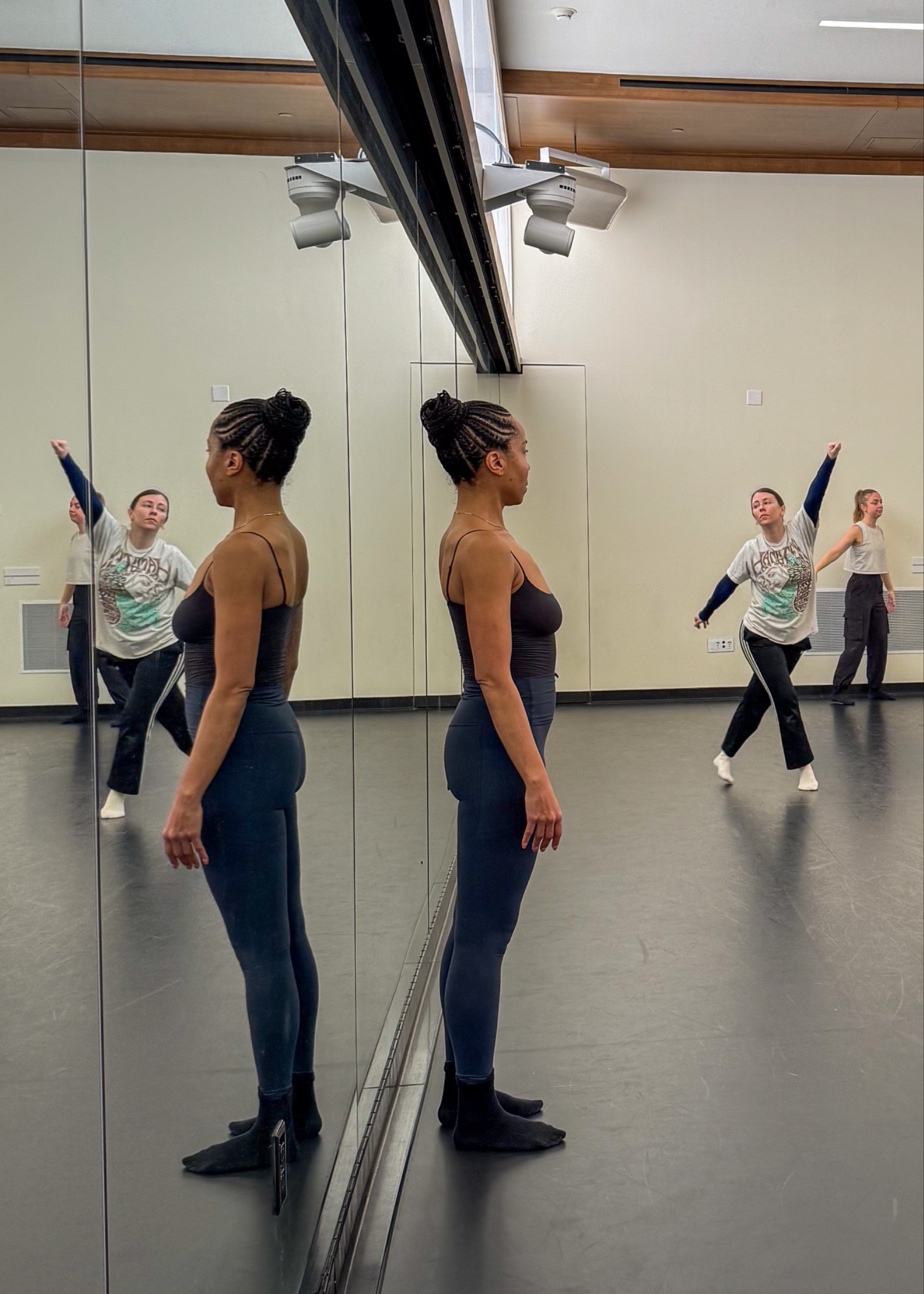
For her, experiencing Yale Schwarzman Center and its dedicated Dance Studio – neither of which existed when she was a student – felt like the realization of part of the vision she and her peers had advocated for. "The space is gorgeous, and I am so happy that there are more dedicated spaces on campus for bodily work to occur,” she said. “That was part of our mission when I was advocating for dance as a form of study through the Alliance for Dance at Yale College.”
In contrast, by the time I arrived at Yale, the Schwarzman Center and its Dance Studio were open, so I took these gifts for granted. But hearing Bell’s perspective made me realize how much of that is the result of students who came before me and advocated to make the importance of spaces like this visible.
When I asked her how dance had impacted her life, and how it might do the same for other students, she said, “I had a radical transformation at Yale within dance as I took on more leadership and stewardship roles through the Alliance for Dance at Yale College,” she said. “It helped me see the potential in myself to initiate change and advocate for the field.” That sense of purpose would soon lead her to found her nonprofit company, Sidra Bell Dance New York, shortly after graduating in 2001. “I tell my mentees and students to think not only about the form of dance,” she added, “but what they want to communicate through their art form. Dance is my form of communication and a vehicle to express my ideas.”
Embracing uncertainty with empathy has become central to Bell’s artistic philosophy, a mindset shaped by her extensive travels and cross-cultural collaborations. Her career has allowed her to travel extensively and meet new people from diverse backgrounds. “Because I travel so much and work in different communities and locales, I am often inspired by the environments I engage with,” she states.
When working with students and other dancers, Bell’s approach emphasizes a holistic experience, one that goes beyond physical movement. In an environment like EveryBody Dances, where participants from a range of backgrounds come together to explore rhythm and motion, she crafts an inclusive space that invites curiosity. “In an intergenerational, all-abilities environment, I enjoy using images, tasks, and games to evoke a space for the imagination to bloom,” she explained. “I do a somatic warm-up that encourages breath and soft stability in the body.”
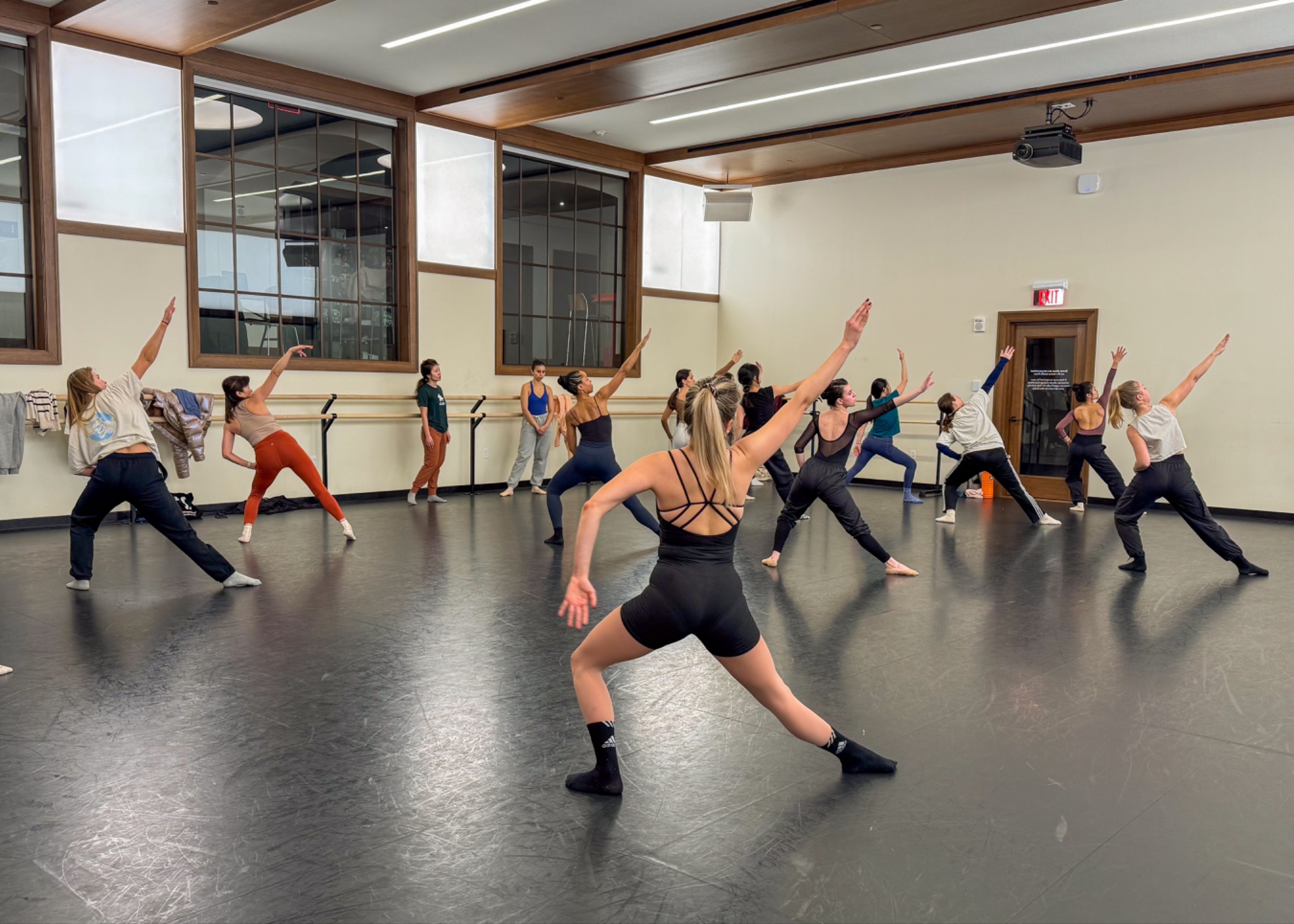
But for Bell, the impact of the class doesn’t end in the studio. She hopes participants “extend the dance experience into other aspects of life. I hope that they can bring the care that dance cultivates into their own work or learning environment and that they feel supported in their creative inquiries.” That spirit of openness and interconnection is what she expressed in her EveryBody Dances class, and it was something everyone in the room could feel, especially students like me, who see dance’s physical language as a way to cultivate presence. “I love how the Schwarzman Center workshops are fostering an intergenerational space for students and community members to convene,” she added.
Bell’s approach to dance is inseparable from her broader reflections on identity, community, and care. “I think of my work as dialogic to my journey as a woman in contemporary culture,” she said. “I bring together artists with diverse backgrounds to initiate conversations around belonging, care, and reciprocation. The most important things to me in the artistic process are respect and listening. I do believe that when those two values are in place, art can be transformative.”
It’s this sense of dialogue between bodies, generations, and cultures that continues to shape Bell’s work, and that she brought to the floor of the Schwarzman Center.
Being in Yale Schwarzman Center’s Dance Studio is always a reminder of how powerful it is to witness people moving together with care, attention, and joy. My conversation with Bell and hearing her reflections, especially her emphasis on respect and listening as the foundation for transformation, reminded me that even though dance is just a hobby for me, it still has the power to teach me much more than just physical movement. It can offer lessons in presence, trust, and how to relate to others with care.


